Showing posts with label health. Show all posts

Chinese scientists have developed really tollerant "sea rice” that farmers can grow in salty water, that could help feed over 200 million people. 
The rice was developed by Yuan Longping, at the Qingdao Saline-Alkali Tolerant Rice Research And Development Center in Qingdao on the eastern coast of China, reported Chinese state media.
Yuan is like the godfather of rice, in the 1970s he was one of the first scientists to develop hybrid rice varieties. Riding on fears that the Chinese population was set to explode within the coming decades, his team helped create numerous strains of rice that grow faster, yield more, and resist more stress. Nowadays, up to 20 percent of the world’s rice comes from rice species created through his pioneering work.
"If a farmer tries to grow some types of saline-tolerant rice now, he or she most likely will get 1,500 kilograms per hectare. That is just not profitable and not even worth the effort,Farmers will have enough incentive to grow the rice if we double the yield." said Yuan
The rice was developed through years of trait selection, crossbreeding, and genetic analysis. These scientists grew the crop in rice paddies pumped with diluted seawater from the Yellow Sea, the body of water between mainland China and the Korean Peninsula.
“My boyfriend said it was like the rice he had back in his village. It is very good," one Chinese consumer told the South China Morning Post.
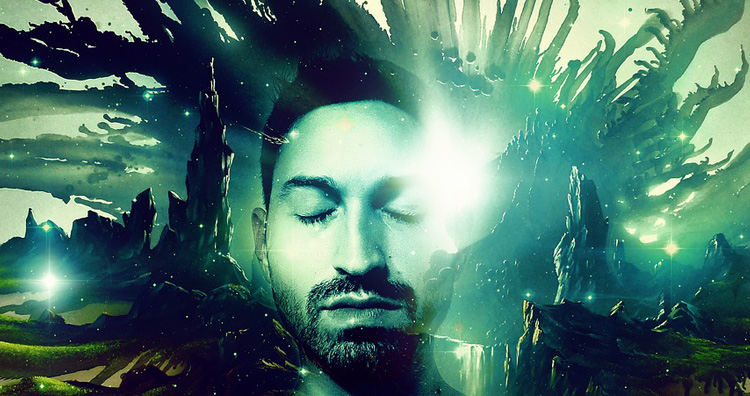
Lucid dreaming (credit: Shutterstock)

For a long time this has been considered a myth, but now science has confirmed lucid dreams exist, and found some methods work to increase the prospects people will have them. Matter of fact I used to experience this when I was a primary school kid, it kinda faded away as I grew older.
lucid dreaming is a rare experience by which the dreamer is aware of dreaming, the dreamer may be able to exert some degree of control over the dream characters, narrative, and environment
For the very first time, a technique to prompt lucid dreaming has been independently verified, More than half the participants lucidly dreamed during the trial, a ground breaking success rate in just a week without using external intervention.

Well, some of techniques require sophisticated equipment. This is unfortunate both because people enjoy the dreams so much, and they are also considered a potential tool for healing traumas and controlling unhealthy behavior. 
Dr Denholm Aspy of the University of Adelaide instructed 169 people in techniques developed to prompt lucid dreaming. One of them was reality testing which involves regularly checking to make sure they really are awake. Mnemonic induction of lucid dreams (MILD) has participants set alarms to wake them in five hours and recite “The next time I am dreaming, I will remember that I'm dreaming” before going back to sleep. 
As published in the journal Dreaming, Dr. Aspy reports reality testing on its own produced no benefit, but of those who tried the combination of both reality testing and MILD, 53% had a lucid dream during the trial period, with 17 percent successful each night. He told IFLScience this exceeds any previous study conducted without interventions such as masks that shine lights in people’s eyes on detecting REM sleep.
IFLscience reported, due to lack of benefit from reality testing alone, Dr. Aspy acknowledged the lucid dreams may be entirely attributable to MILD. He noted, however, his success rate exceeds that of previous studies of MILD, even those conducted by the inventor himself.
About 55% of people have a lucid dream at some point during their lifetime, though its very rare. Aspy changed his psychology PhD from studying non-verbal communication after having a lucid dream the night before he was to begin his doctorate.

Last month, A news article by French scientists went viral on internet that they had partially restored consciousness in a 35-year-old man who spent about 15 years of his life in a vegetative state after a car accidentIt was such a good news for everyone as we assumed he was still alive, unfortunately the man dies few months after the treatment.
Simply, The treatment involved vagal nerve stimulation to induce signs of consciousness in him. rihgt after the treatment, he was able to move his eyes, to smile, turn his head, and respond to basic commands.
researcher Professor Marc Guenot publicly admitted last week during an interview in the French newspaper Le Parisien
“Unfortunately, this man died this year, a pulmonary complication,This has strictly no connection with electrical stimulation.”
In september, Lead researcher Angela Sirigu told The Guardian  “He is still paralyzed, he cannot talk, but he can respond. Now he is more aware.” 
Professor Jacques Luauté of the University of Lyon told Le Monde: “We had discussed it with the family. Together, we wrongly thought that this would lead to people making a link between the stimulation and the death. We concluded that the death – unrelated to experimentation – was a private family event."


Surprisingly even 34,000 years ago, ancestors avoided having sex with the close relatives. The study, led by Cambridge University and the University of Copenhagen says, after analyzing an ancient human remains discovered in Russia has revealed that even among a small remote society incest avoided inbreeding deliberately sought partners beyond their families.

Professor Eske Willerslev, Cambridge, said in a statement: “What this means is that even people in the Upper Paleolithic, who were living in tiny groups, understood the importance of avoiding inbreeding"

Through this study we can now tell why anatomically-modern humans proved more successful than other species such as Neanderthals  from the Altai Mountains who lived about 50,000 years ago thought inbreeding was okay to them

Researchers examined genetic remains of four anatomically-modern humans from Sunghir, Russia who were found buried together but surprisingly the individuals were not closely related in genetic terms. If not they were probably second cousins. This is valid even in the case of two children who were buried head-to-head in the same grave.

Banana is very important for the health in multiple ways same to Avocado. Recently, researchers have discovered that eating a banana and an avocado a day may prevent hardening of the arteries. Hardening of arteries can result to death. 
A study published in the journal JCI Insight was conducted on mice, shows that foods which are rich in potassium reduces vascular calcification, which can lead to kidney or heart disease. Calcification normally happens when calcium builds up in body tissue or blood vessels and sometimes in organs. Avocado, Acorn, squash, Spinach, Sweet potato,Wild-caught salmon, Dried apricots, Pomegranate, Coconut water, White beans and Banana rich in potassium which has an ability to reduce the risk of aortic stiffness - a classic cardiovascular risk factor.
“The findings demonstrate the benefit of adequate potassium supplementation on prevention of vascular calcification in atherosclerosis-prone mice, and the adverse effect of low potassium intake,” said Paul Sanders, professor at the University of Alabama.


Japan has a culture of its people working so many hours, a death of Miwa Sado, a 31-year-old woman journalist at NHK, the country’s public broadcaster with its headquarters in Tokyo, had been caused by overwork.
one in five employees are at risk of death from overwork in Japan.
Miwa Sado logged 159 hours of overtime and was only taking only two days off in the month leading up to her heart failure in July 2013 but this particular case was made public by her former employer this week.
Thats not the only time it happens, another death of a young employee at Dentsu advertising agency who worked 100 hours’ overtime in the months before her death. Matsuri Takahashi was 24 when she committed suicide back in April 2015. Labour standards officials said that her death had been caused by stress.
Her case triggered a national debate about Japan’s work practices and now the government proposes to cap monthly overtime at 100 hours only, but there will be penalties for companies that goes against
Not less than 2,000 Japanese committed suicide due to work-related stress in the year to March 2016 while dozens died from heart attacks brought by spending too much time working.

When it comes to tattooing some have taken it up a notch by getting their eyeball tattooed, called sclera staining. A 24-year-old model from Ottawa ,Catt Gallinger. She decided to have the sclera staining done using purple ink as she claimed its her favorite color of all. This process involves injection of ink into the white part of the eye, creating a tinted hue after.

Credit: Blackpool Gazette

Who knew your favorite childhood toy could endanger your life? A 47-year-old man from Preston recently found out that the source of his chesty cough was not lung cancer, but a tiny toy traffic cone inhaled 40 years earlier.
Due to the fact that, he was a long-term smoker and had only recently recovered from a bout of pneumonia, doctores thought his symptoms were the result of "lung Tumor"
According to A report from British Medical Journal,Scans did reveal a suspicious mass in the lung, but it was not until doctors took it out from his longs during a flexible bronchoscopy, Surprisingly it was just a Playmobil traffic cone .
But the good news is the man is still alive and healthy.

Scientists has shown that Coffee has anti-inflammatory and hepato-protective/liver-friendly properties.Scientists have also found more compelling evidence that drinking more than 3 cups of coffee per day has been associated with a 14% reduction in the risk of all-cause mortality


A new study by French scientists has shown how drinking three or more cups of coffee every day halved the risk of death among patients with HIV and hepatitis C virus (HCV). Their research was recently published in the Journal of Hepatology.
In the wider population, three cups of coffee every morning has been shown to cut the risk of liver cancer by 35 percent. In fact, too much is harmful so drinking five cups increased the risk even further, but all that caffeine could lead to other health problems in itself. 
"Even when cured of HCV, patients co-infected with HIV have a higher risk of death with respect to the general population, due to an accelerated aging process that may result from cancer, complications related to diabetes and to liver disease, and from cardiovascular events," explained lead investigator Dominique Salmon-Céron. He added, "I think we need to better monitor coffee consumption, together with other behaviors, such as alcohol use, smoking, physical activity, and to propose interventions to our patients which facilitate healthy behaviors even after HCV clearance,” 


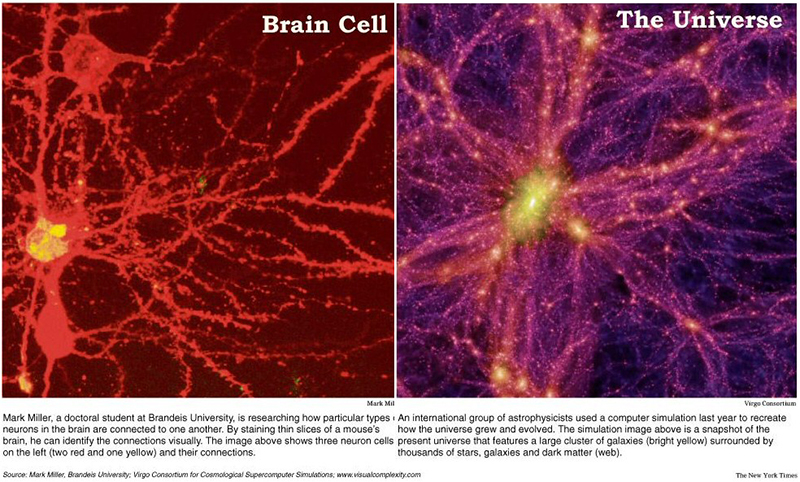
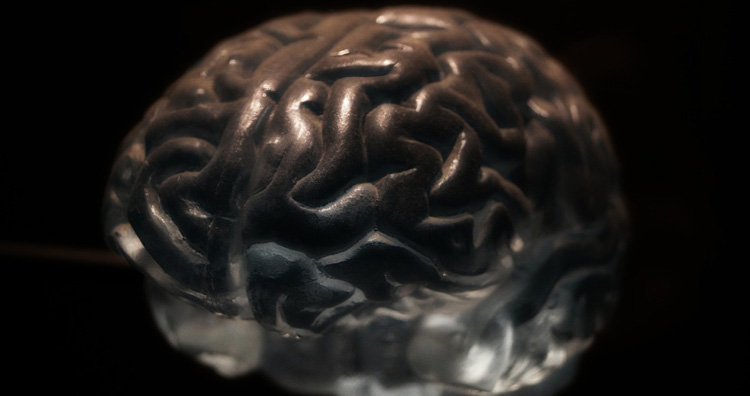
1. Human brain cells, the universe, and the internet all have similar growth patterns.

Brain cells and the universe
Image source: sprott.physics.wisc.edu


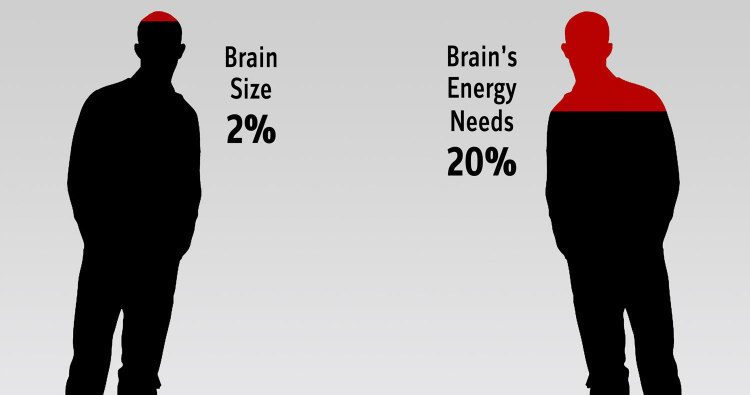
2. Despite being only two percent of the body’s weight, the human brain consumes 20% of the energy used by the entire body. 

Brain's Energy Consumption
Image Source: Karen Carr

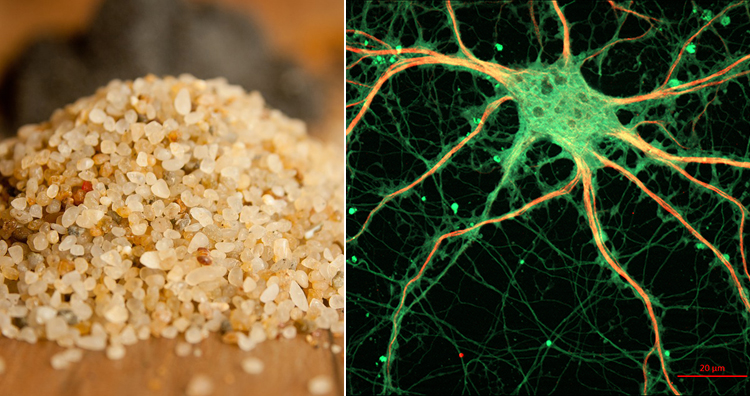
3. Brain tissue the size of a grain of sand contains 100,000 neurons and one billion synapses, all communicating with each other. 

Neurons
Image credit: pixabay, ZEISS Microscopy
There are a total of more than 86 to 100 billion neurons in an adult human brain and just as many numbers of other cells.

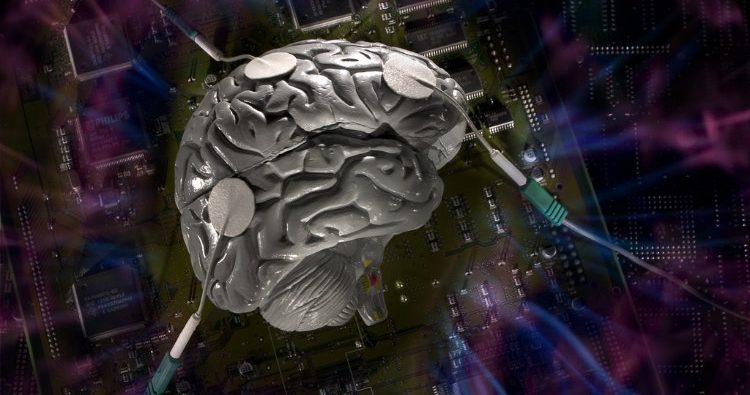
4. The human brain has a capacity of 2.5 petabytes, that is 2.5 million gigabytes.

Brain Storage Capacity
Image Source: amy leonard/CC BY-ND 2.0
Actually its impossible to measure precisely the brain’s capacity to store data.  Since a single neuron has the ability to connect with thousands of other neurons, it is capable of assisting with more than one memory at a time. This increases the brain’s storage capacity exponentially to something close to 2.5 petabytes. To put that into perspective, if those 2.5 petabytes of data were a digital video, it would take 300 years to finish playing it.(source)

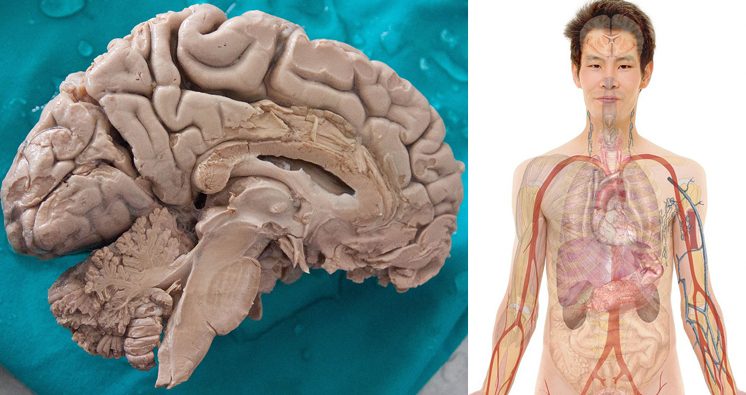
5. About 60% of the dry mass of adult brain is made of fat; that’s approximately 25% of the total cholesterol in human body.

Human brain and body
Image credit: Hikmet Gümüş/Wikimedia, Pixabay

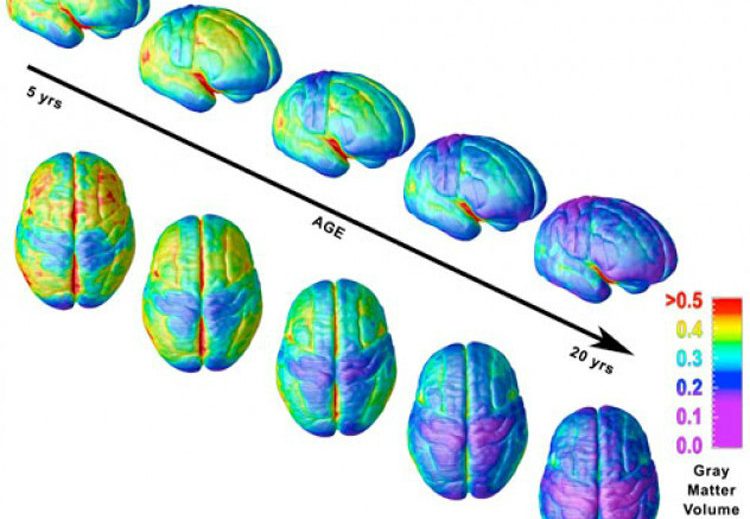
6. Though human babies are born with large brain compared to their body size, the brain doesn’t reach complete maturity until the age of 25. Until then, the brain keeps on developing.

Brain Development
Image Source: Paul Thompson / UCLA School Of Medicine

7. Depending on how deep a thinker you are, your brain generates as many as 12,000 to 50,000 thoughts per day. 

Thoughts
Image credit: leandrodecarvalhophoto/pixabay
However, the sad part is more than 70% of these thoughts are negative.(source)


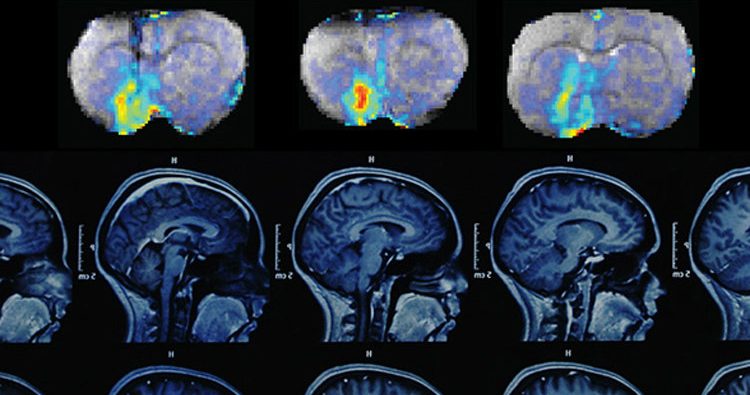
8. When you orgasm, your brain releases so much dopamine that a brain scan would resemble that of someone on heroin. 

MRI Dopamine Concentrations
Image Source: Christine Daniloff/MIT
Dopamine is one of the chemicals that affect your mood, the feeling of satiation, desire for intimacy, and also your susceptibility to addictions. Dopamine is the primary neurotransmitter of activities like eating, sex, or recreational drug use result in its release and hence you feel pleasure. When you are sexually aroused its levels rise making you feel good..(1,2)

9. There are no nociceptors in the brain, so the brain itself cannot feel pain.

Brain Feel No Pain
Image credit: Patricio_/pixabay
The headaches are actually pains from different parts of your face like the sinus or the top of the mouth.  The brain is not very good at identifying the exact location thats the reason you feel pain inside your brain. Another example is how people having a heart attack feel pain in their arm instead of at the heart.(source)

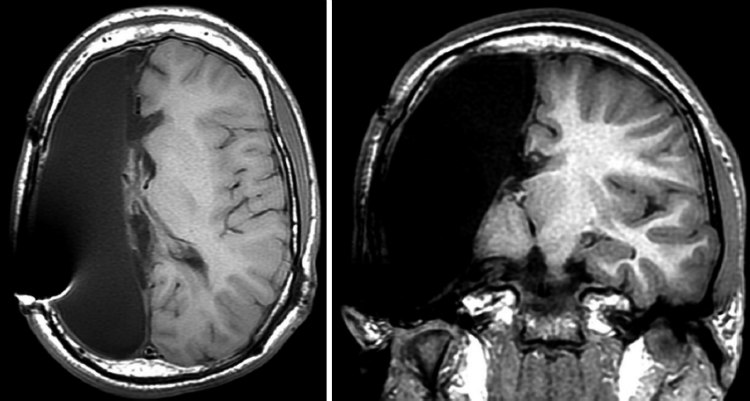
10. The brain is so plastic that it can rewire itself to let you have a normal life even after half of your brain is removed.

Hemispherectomy
Image Source: amegroups
Neuroplasticity is commonly observed in children who undergo hemispherectomy for epilepsy, a surgery that requires disabling half the brain or disconnecting the two cerebral hemispheres, and also in individuals who undergo surgery for brain trauma, stroke, epilepsy, or other such problems..(source)


Household exposure to pets during the first three years of life appears to reduce your risk of developing asthma later on.
Published in the Journal of Allergy and Clinical Immunology study found out that exposure to cat, mouse, and cockroach allergens before the age of 3 reduces the risk of getting asthma by age 7.The researchers also found a link between bacteria and asthma development – certain bacteria influenced development, although further research is needed to know more.
“If we can develop strategies to prevent asthma before it develops, we will help alleviate the burden this disease places on millions of people, as well as on their families and communities,” said Anthony Fauci, Director of NIAID 
This study assessed 442 children, 130 of whom had asthma. They sampled dust from their homes when they were aged 3 months, 2 years, and 3 years. They found that when there were higher levels of mouse, cat, and cockroach allergens, children were significantly less likely to have asthma at the age of 7.
“Our observations imply that exposure to a broad variety of indoor allergens, bacteria and bacterial products early in life may reduce the risk of developing asthma,” explained Professor James Gern, one of the study’s authors. “Additional research may help us identify specific targets for asthma prevention strategies.” 
Do you remember when scientists stored huge amounts of data in DNA before? that includes digital movies,
 So this is the first time researchers have encoded and played back a video like this in living bacteria cells – E. coli, no less – but the team involved says this is way more than just a cinematic milestone.
5422293876 horse 0
Seth Shipman


By this already famous horse flick, researchers say the technique used here could enable living cells to become a real-time "molecular recorder", capturing unseen biological developments inside the body like a kind of organic Digital Video Recorder.

"There are certain places we can't go that a cell can go," Shipman told Deborah Netburn at the Los Angeles Times."The brain is locked away inside the skull, and these changes happen rapidly and all at the same time."
To test the idea, the team of scientists converted each shaded pixel of the horse animation into a DNA code – designated by a particular configuration of the DNA nucleobases adenine, guanine, thymine and cytosine.
The scientists used CRISPR to embed this sequence of information into the genome of the bacteria E. coli, adding a new frame of animation daily.
After a week, leaving the bacteria in the lab to divide and multiply, passing the movie on to successive generations as it went – like some kind of "biological bluetooth sharing"
Later on, after sequencing extracted DNA regions taken from a sample of the bacteria, the team was able to play back the movie. The results were amazing, about 90 percent of the information was still intact – a successful test suggesting that living cells can record and retain information in sequence, which can then be extracted and played back
We might be able to track the development of diseases in real time only If that ability can be turned to record other kinds of data – such as changes in gene expression, affecting how neurons and other kinds of cells develop –
The work builds on pioneering research published by the same team last year, which saw them record 100 bytes of data in E. coli.
The new study demonstrates that the living hard drive can store more data – and record history in sequence – suggesting that cells could effectively become tiny cameras inside the bodies
The findings are reported in Nature.

Tattoos are especially prevalent among younger Americans, with nearly half of Millennials (47%) and over a third of Gen Xers (36%) saying they have at least one, compared to 13% of Baby Boomers and one in ten Matures (10%). Well, almost everyone I know has a tattoo :) Even Caroline Kennedy and Winston Churchill were tattooed.
A new study in the Nature journal Scientific Reports found that microscopic particles from tattoo ink can migrate into the body and end up in the lymph nodes of your immune system.
“When someone wants to get a tattoo... no one checks the chemical composition of the colors, but our study shows that maybe they should,” explains Hiram Castillo, one of the authors of the study, in a statement.
tattoo is a form of body modification where a design is made by inserting ink, dyes and pigments, either indelible or temporary, into the dermis layer of the skin to change the pigmentDespite this booming popularity, scientists still know relatively little about the effect of tattoo ink on our body and health. 

Some tattoo inks contain inorganic pigments and contaminants like nickel, chromium, manganese, or cobalt. One of the most common ingredients in tattoo inks is the white pigment titanium dioxide (TiO2). We come across this inorganic chemical constantly in our everyday life, from food additives to sunscreens to paints. German and French scientists have now looked at how TiO2 degrades into toxic impurities and how these nanoparticles travel to the lymph nodes where they accumulate.
“We already knew that pigments from tattoos would travel to the lymph nodes because of visual evidence: the lymph nodes become tinted with the colour of the tattoo. It is the response of the body to clean the site of entrance of the tattoo,” added Bernhard Hesse, study first author. “What we didn't know is that they do it in a nano form, which implies that they may not have the same behavior as the particles at a micro level. And that is the problem: we don't know how nanoparticles react.”.